More Than Just Render
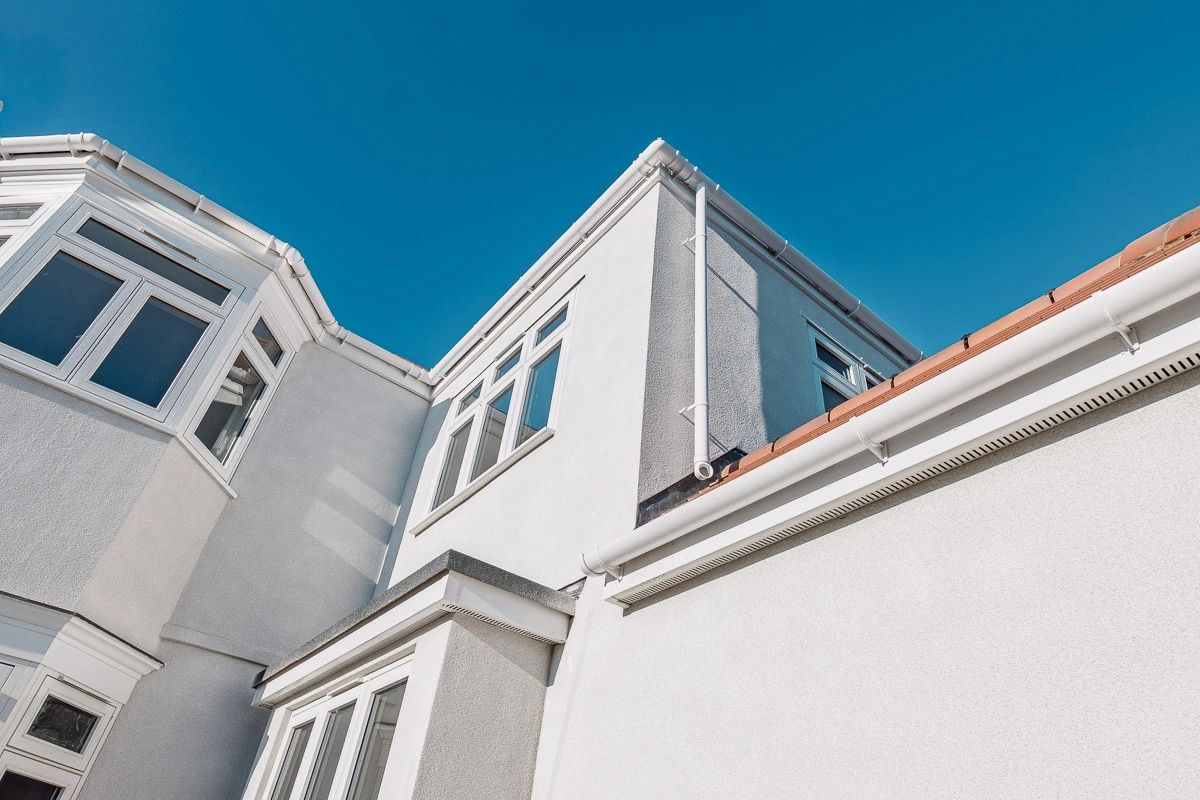
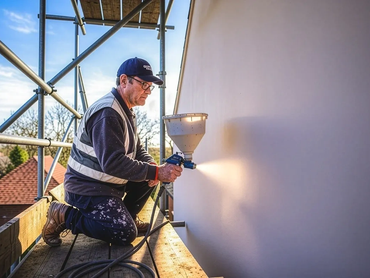
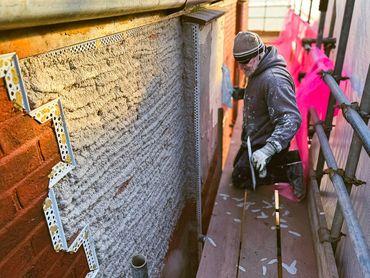
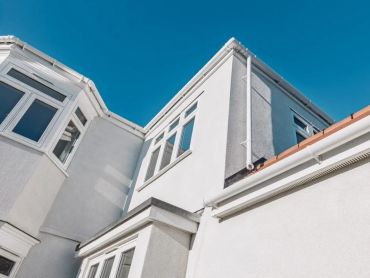
SLICS™ – Sprayed Layered Insulating Cork System – is a specialist spray-applied cork coating for suitable external walls and façades.
It combines a decorative external finish with many of the remarkable natural characteristics of cork.
We are ECOPROCORK® Approved Applicators and Academy-trained in the preparation and application of the system.
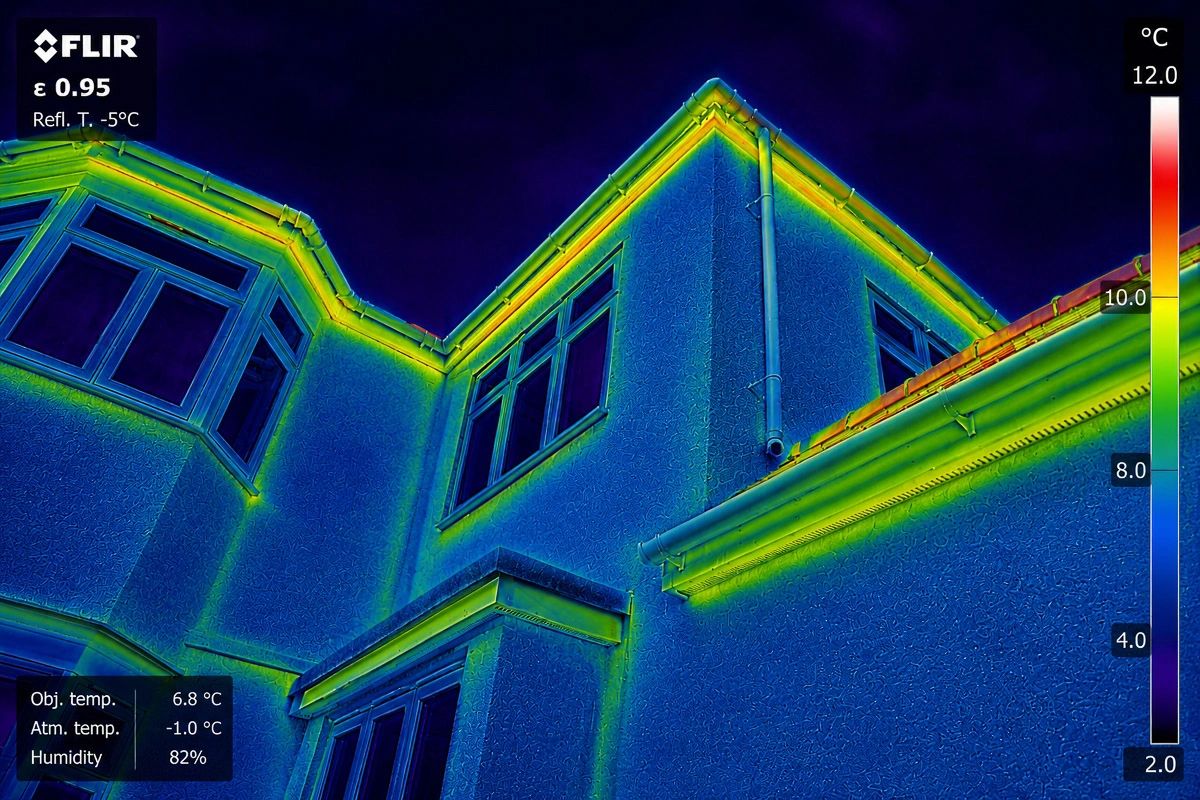
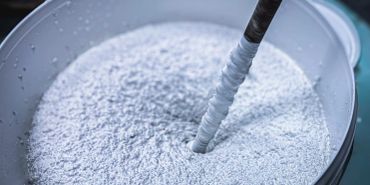
Cork's cellular structure provides natural thermal insulation.
A continuous cork coating can help improve wall performance, reduce cold surfaces and address localised thermal bridging.
SLICS™ is vapour permeable.
This allows water vapour to migrate through suitable building fabric rather than simply trapping moisture behind an impermeable external coating.
This can be particularly important with older properties.
The system provides protection from external weather while retaining its vapour permeability.
Buildings naturally expand, contract and move.
Cork is naturally elastic and resilient, giving SLICS™ considerably more flexibility than many rigid external coatings.
Its flexibility helps the coating accommodate minor movement and suitable hairline cracking within a properly prepared and stable substrate.
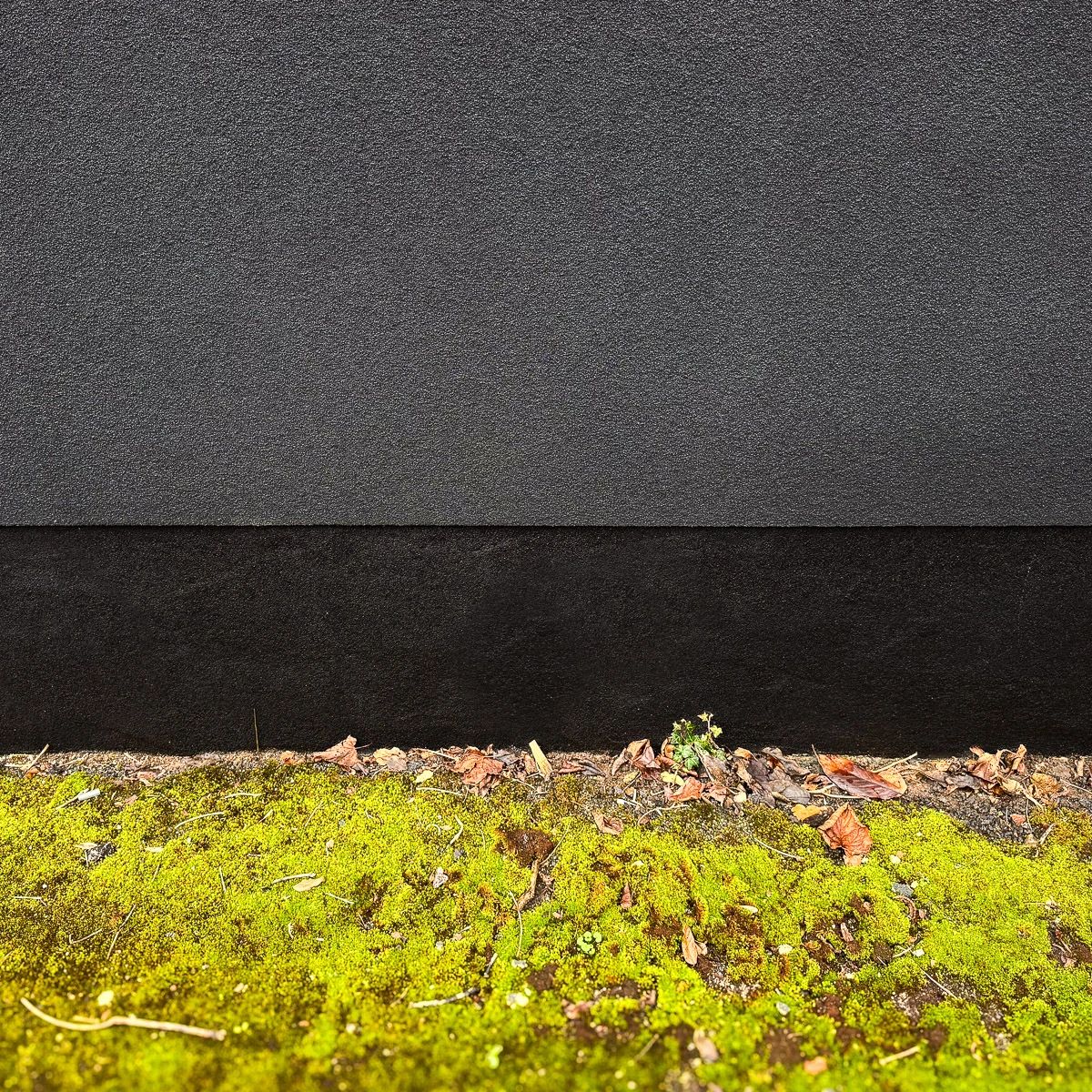
Cork has natural characteristics that make the finished surface resistant to the conditions in which algae, moss and lichen become established.
This can be particularly valuable on north-facing, shaded and moisture-prone elevations.
The combination of flexibility, weather resistance, breathability and resistance to biological growth creates an external finish designed to require relatively little ongoing maintenance.
Breathability and moisture management help the external surface dry, reducing the prolonged damp conditions associated with biological growth.
Cork's cellular structure naturally absorbs and dampens sound and vibration.
Because the material is spray applied, it creates a continuous coating without the joints associated with insulation boards.
Cork is exceptionally lightweight despite its thermal and acoustic characteristics.


Cork evolved to protect the cork oak from significant environmental changes. Its resilience makes it particularly interesting as an external building material.
Cork's moisture and salt-resistant characteristics make it particularly interesting for coastal properties and buildings exposed to salt-laden environments.
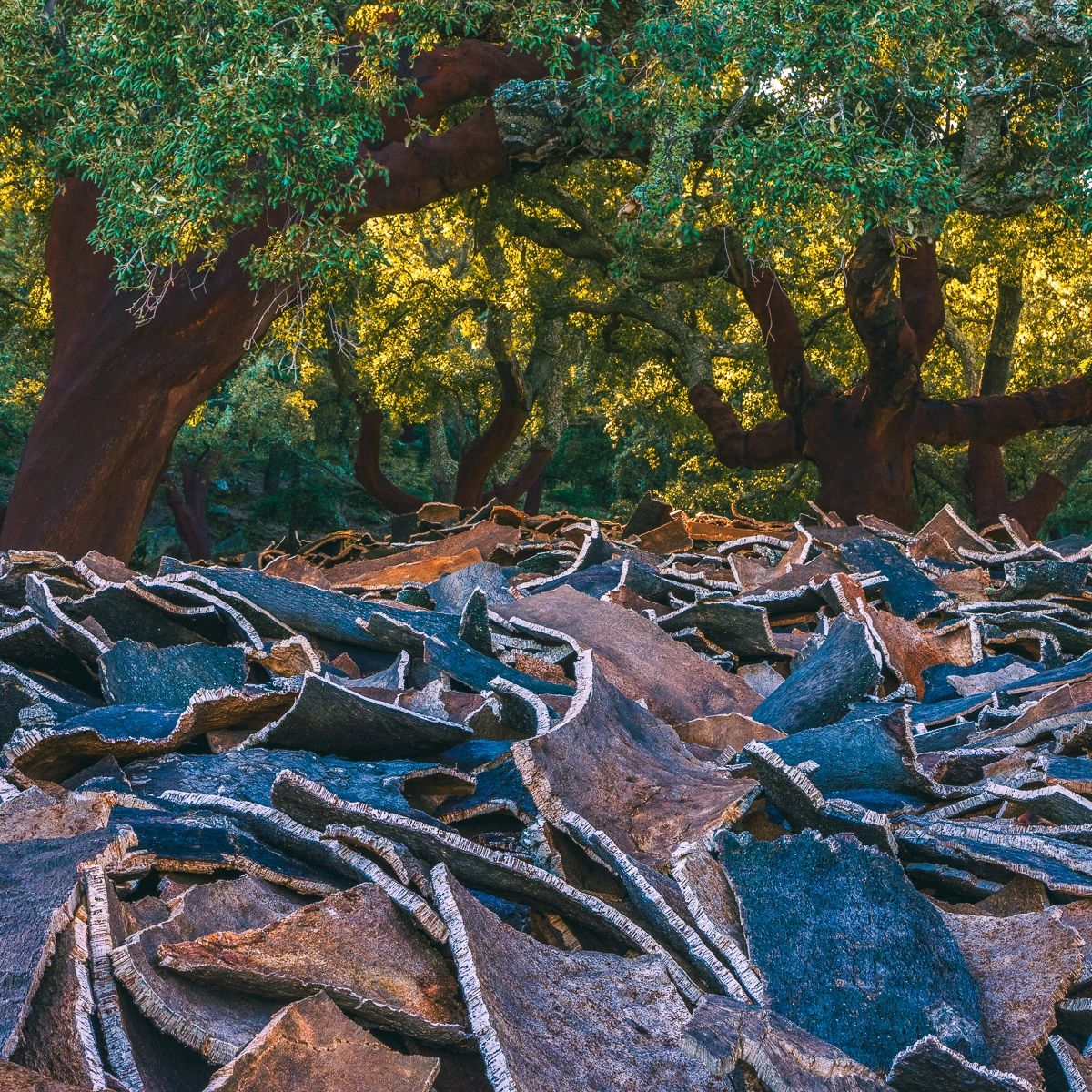
Cork is harvested from the bark of the cork oak without cutting down the tree.
The bark regenerates, allowing it to be harvested repeatedly.
Cork's Natural Secret
One of the reasons cork behaves so differently from many conventional building materials is suberin.
Suberin is a naturally occurring wax-like substance within cork.
It forms part of the cork oak's natural defence system and contributes to cork's resistance to moisture and environmental deterioration.
Combined with cork's cellular structure, breathability and ability to dry, it contributes to a surface that is naturally resistant to the conditions required for moss, algae and lichen growth.
Copyright © 2026 Moorhouse - All Rights Reserved.