Black Mould & Condensation in Birmingham
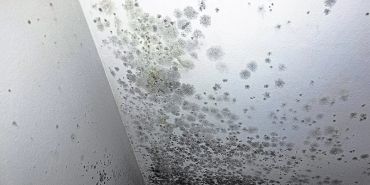
Black Mould That Keeps Coming Back?
You've cleaned it.
You've treated it.
You've painted over it.
And a few months later, it's back.
If black mould continually returns, simply treating the visible mould may not address the underlying reason it is forming.
One common cause is cold-wall condensation.
Why Cold Walls Cause Condensation
Warm air inside a home contains moisture.
When that warm, moisture-laden air comes into contact with a sufficiently cold wall, its temperature can fall below the dew point and condensation forms on the surface.
Persistent moisture then creates conditions in which black mould can develop.
It is particularly common around:
Cold external walls
Corners
Bedrooms
Behind furniture
Window reveals
Thermal bridges
Solid external walls
Older terraced houses and 1930s properties can be particularly susceptible.
Treat the Problem, Not Just the Mould
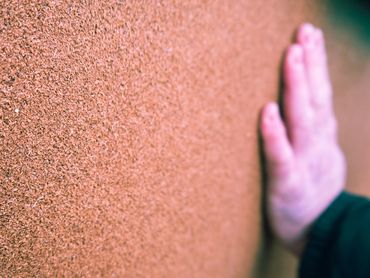
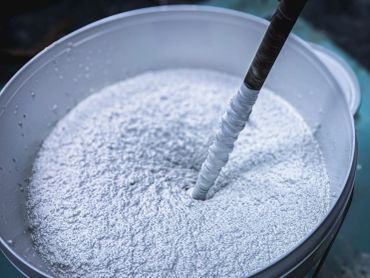
Our approach is to understand why the affected surface is cold or damp before recommending suitable work. Leaks, water ingress, ventilation and heating may all need consideration. Where appropriate, TLICS™ internal cork insulation can form part of a specification for cold-wall condensation. Suitability depends on the property; a coating does not replace necessary repairs or ventilation improvements. We work across Birmingham, Harborne and Solihull.
Landlord Black Mould Rectification
We also work with landlords dealing with recurring condensation and black mould in rental properties.
Rather than repeatedly cleaning, treating and redecorating the same wall, we can investigate whether the underlying cold-wall problem can be improved.
TLICS™
Trowelable Layered Insulating Cork System - designed for internal walls where space is at a premium.
SLICS™
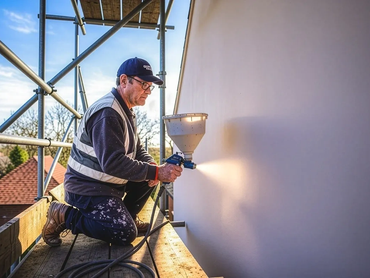
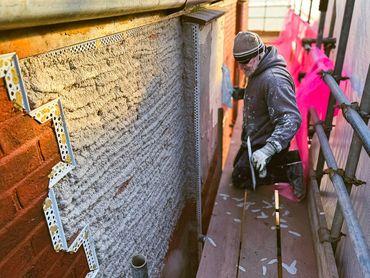
Sprayed Layered Insulating Cork System – is a specialist spray-applied cork coating for suitable external walls and façades.
Enquire
Moorhouse
Hours
Today | Closed |
ECOPROCORK® Approved
Specialist knowledge from assessment and preparation through to application.
Professional installation completed to ECOPROCORK® system standards.

Moorhouse
Ludgate Court, 57 Water Street, Birmingham B17 0EU
Copyright © 2026 Moorhouse. All rights reserved.
